
AI in Education: Key Applications, Benefits, and Tips

AI in Education: Key Applications, Benefits, and Tips
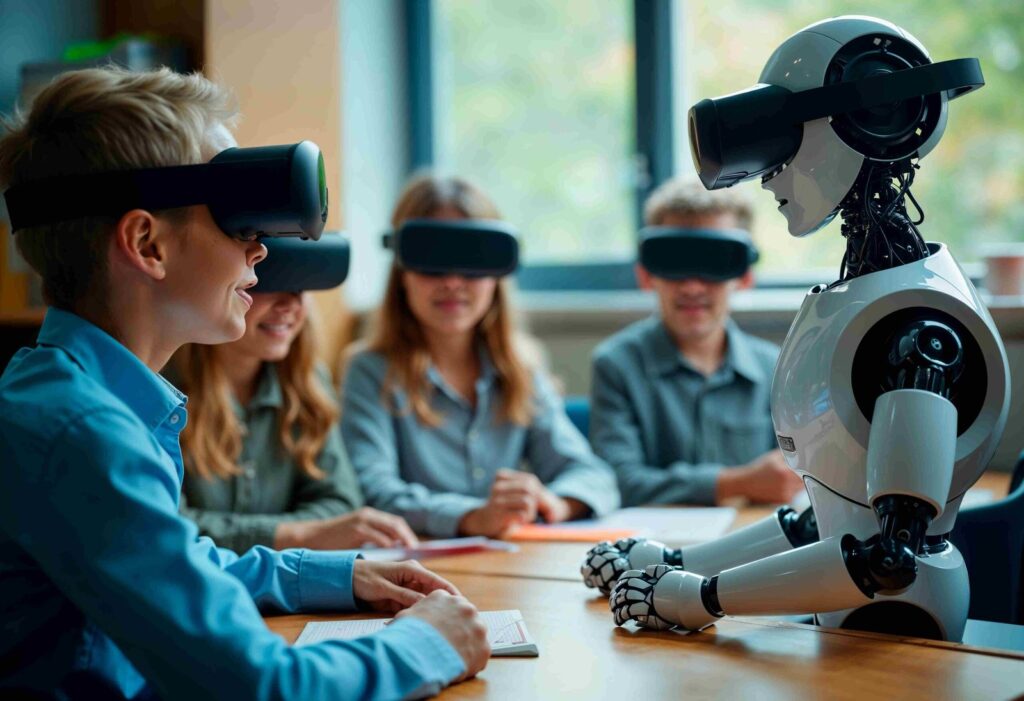
The way kids learn and teachers teach is changing because of artificial intelligence (AI). AI is making schools more efficient, welcoming, and fun by automating tasks like marking and creating unique learning paths. Top Ways AI Is Used in Education Personalized Learning: AI makes lessons fit each student’s skills, pace, and way of learning by […]

AI in Education: Advantages, Disadvantages

AI in Education Advantages, Disadvantages, and How It’s Changing Learning img (1)

AI (artificial intelligence) is changing almost every area, and schooling is no different. The way students learn and teachers teach is changing because of AI. It is doing things like targeted learning and automating office work. There are many good things about it, but there are also some problems that schools and teachers need to […]

AI in Education: Uses, Benefits, and Future Prospects

AI in Education: Uses, Benefits, and Future Prospects Artificial Intelligence (AI) is revolutionizing nearly every industry, and education is no exception. From personalized learning experiences to data-driven insights, AI is transforming how students learn and teachers teach. Its integration into the classroom promises more efficient, inclusive, and engaging educational experiences. In this blog, we’ll explore the uses, benefits, and future prospects of AI in education and how it is shaping the next generation of learning. Uses of AI in Education AI is being implemented in classrooms and online learning environments in multiple ways: 1. Personalized Learning AI tailors learning experiences to each student’s pace, abilities, and learning style. Adaptive learning platforms analyze student performance in real time, adjusting lessons to help struggling students or challenge advanced learners. 2. Intelligent Tutoring Systems AI-powered tutoring systems provide students with step-by-step guidance and instant feedback. This ensures that learners can get help even outside of classroom hours. 3. Automating Administrative Tasks Teachers spend significant time on grading, attendance, and scheduling. AI tools automate these repetitive tasks, giving educators more time for teaching and student engagement. 4. Enhancing Student Engagement Gamified learning platforms, interactive simulations, and virtual assistants make lessons more engaging. Students receive real-time feedback, which motivates them and improves retention. 5. Data Analytics and Insights AI analyzes student data to identify learning gaps, trends, and areas requiring intervention. Teachers can make informed decisions about lesson planning and resource allocation. 6. Accessibility and Inclusion AI supports students with disabilities through speech-to-text, text-to-speech, and real-time translation tools. It also makes education accessible to learners in remote or underserved regions. Benefits of AI in Education The integration of AI into education brings numerous advantages: Personalized Learning: Tailored learning experiences improve comprehension and retention. Increased Efficiency: Automation reduces time spent on administrative tasks. Enhanced Engagement: Interactive tools and gamification make learning enjoyable. Data-Driven Decisions: Insights help educators focus on students who need extra support. Greater Accessibility: AI tools remove barriers for learners with disabilities or those in remote areas. Cost-Effectiveness in the Long Run: Streamlined processes and digital resources reduce operational costs over time. Future Prospects of AI in Education The potential of AI in education continues to grow. Here are some emerging trends: 1. Virtual Classrooms and AI Tutors AI will enable smarter virtual classrooms where students can access AI tutors anytime, anywhere, creating more flexible learning schedules. 2. Predictive Analytics AI will predict student outcomes, identify potential learning difficulties early, and suggest interventions before problems become severe. 3. Intelligent Content Creation AI can generate customized content, quizzes, and learning materials tailored to students’ needs, reducing the burden on educators. 4. Lifelong Learning and Skill Development AI will support continuous education beyond school by offering personalized courses and career development tools. 5. Integration with Emerging Technologies AI combined with AR, VR, and gamification will create immersive learning experiences that are highly engaging and effective. Challenges and Considerations While AI offers significant benefits, its adoption comes with challenges: Data Privacy and Security: Handling sensitive student data requires robust protections. High Implementation Costs: Infrastructure and training investments can be expensive. Overreliance on Technology: Human interaction is essential for social and emotional development. Ethical Concerns: AI must be designed to avoid biases in grading or content recommendations. Addressing these challenges is critical to harnessing AI’s full potential in education. Conclusion AI is transforming the educational landscape by personalizing learning, enhancing engagement, improving efficiency, and expanding access to students worldwide. With thoughtful implementation, AI can create smarter, more inclusive, and future-ready classrooms. The future of education will increasingly rely on AI-driven tools, intelligent tutoring systems, and predictive analytics to ensure every student has the support and resources they need to succeed. For more insights into AI-powered learning and online education, explore Edument Online School .

AI (artificial intelligence) is changing almost every field, and schooling is no different. AI is changing how students learn and how teachers teach by giving them unique learning experiences and data-driven insights. When it is used in the classroom, it will make learning faster, more open, and more interesting. This blog post will talk about […]

Top Ways AI Can Help Teachers and Students in the Classroom
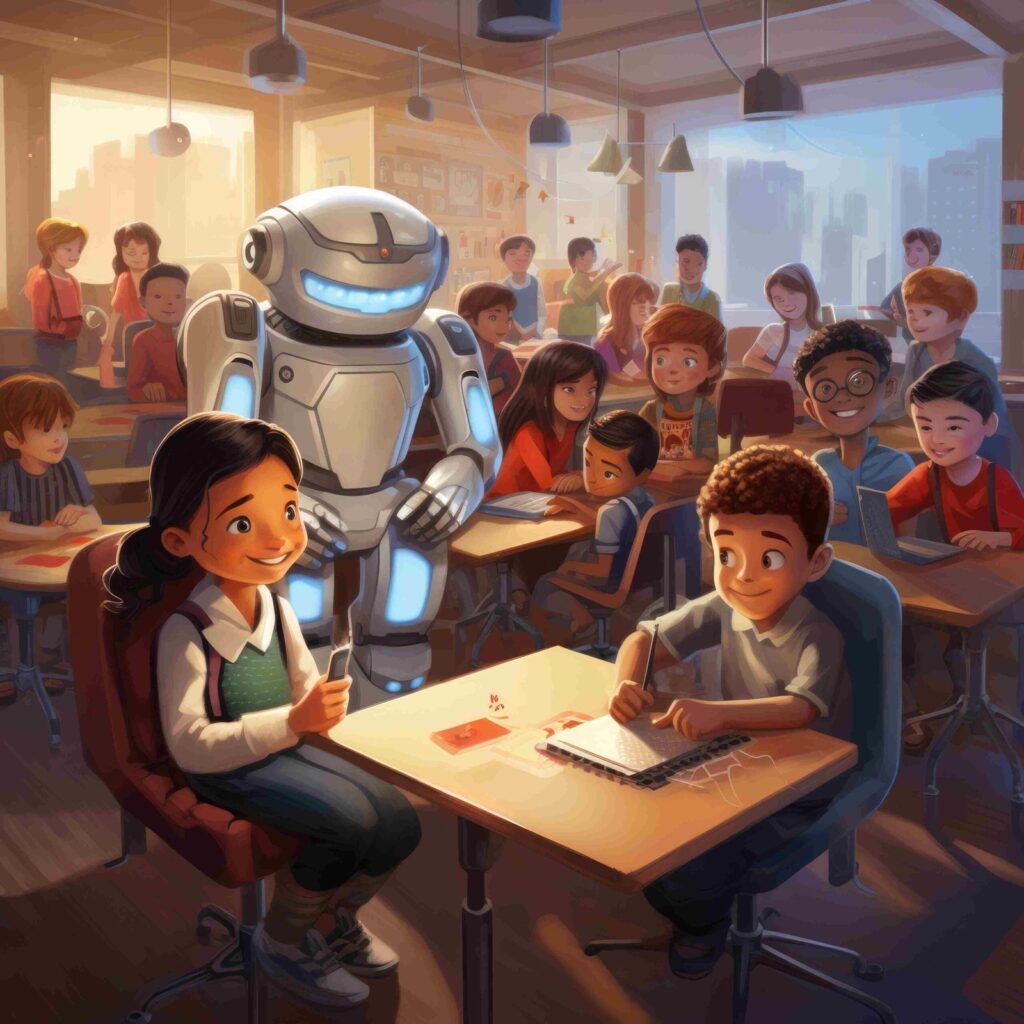
AI in Education: Uses, Benefits, and Future Prospects Artificial Intelligence (AI) is revolutionizing nearly every industry, and education is no exception. From personalized learning experiences to data-driven insights, AI is transforming how students learn and teachers teach. Its integration into the classroom promises more efficient, inclusive, and engaging educational experiences. In this blog, we’ll explore the uses, benefits, and future prospects of AI in education and how it is shaping the next generation of learning. Uses of AI in Education AI is being implemented in classrooms and online learning environments in multiple ways: 1. Personalized Learning AI tailors learning experiences to each student’s pace, abilities, and learning style. Adaptive learning platforms analyze student performance in real time, adjusting lessons to help struggling students or challenge advanced learners. 2. Intelligent Tutoring Systems AI-powered tutoring systems provide students with step-by-step guidance and instant feedback. This ensures that learners can get help even outside of classroom hours. 3. Automating Administrative Tasks Teachers spend significant time on grading, attendance, and scheduling. AI tools automate these repetitive tasks, giving educators more time for teaching and student engagement. 4. Enhancing Student Engagement Gamified learning platforms, interactive simulations, and virtual assistants make lessons more engaging. Students receive real-time feedback, which motivates them and improves retention. 5. Data Analytics and Insights AI analyzes student data to identify learning gaps, trends, and areas requiring intervention. Teachers can make informed decisions about lesson planning and resource allocation. 6. Accessibility and Inclusion AI supports students with disabilities through speech-to-text, text-to-speech, and real-time translation tools. It also makes education accessible to learners in remote or underserved regions. Benefits of AI in Education The integration of AI into education brings numerous advantages: Personalized Learning: Tailored learning experiences improve comprehension and retention. Increased Efficiency: Automation reduces time spent on administrative tasks. Enhanced Engagement: Interactive tools and gamification make learning enjoyable. Data-Driven Decisions: Insights help educators focus on students who need extra support. Greater Accessibility: AI tools remove barriers for learners with disabilities or those in remote areas. Cost-Effectiveness in the Long Run: Streamlined processes and digital resources reduce operational costs over time. Future Prospects of AI in Education The potential of AI in education continues to grow. Here are some emerging trends: 1. Virtual Classrooms and AI Tutors AI will enable smarter virtual classrooms where students can access AI tutors anytime, anywhere, creating more flexible learning schedules. 2. Predictive Analytics AI will predict student outcomes, identify potential learning difficulties early, and suggest interventions before problems become severe. 3. Intelligent Content Creation AI can generate customized content, quizzes, and learning materials tailored to students’ needs, reducing the burden on educators. 4. Lifelong Learning and Skill Development AI will support continuous education beyond school by offering personalized courses and career development tools. 5. Integration with Emerging Technologies AI combined with AR, VR, and gamification will create immersive learning experiences that are highly engaging and effective. Challenges and Considerations While AI offers significant benefits, its adoption comes with challenges: Data Privacy and Security: Handling sensitive student data requires robust protections. High Implementation Costs: Infrastructure and training investments can be expensive. Overreliance on Technology: Human interaction is essential for social and emotional development. Ethical Concerns: AI must be designed to avoid biases in grading or content recommendations. Addressing these challenges is critical to harnessing AI’s full potential in education. Conclusion AI is transforming the educational landscape by personalizing learning, enhancing engagement, improving efficiency, and expanding access to students worldwide. With thoughtful implementation, AI can create smarter, more inclusive, and future-ready classrooms. The future of education will increasingly rely on AI-driven tools, intelligent tutoring systems, and predictive analytics to ensure every student has the support and resources they need to succeed. For more insights into AI-powered learning and online education, explore Edument Online School .

The good things about AI in education are changing how teachers and kids learn. AI has a lot of tools and solutions that can improve speed, involvement, and results in the classroom. These include personalized learning experiences and easier access. As schooling changes, AI is becoming an important part of solving problems and making new […]